favicon

Reverse Bimetallic Lugs for Strong and Stable Cable Ends

As electrical infrastructure grows more complex, the smallest components often determine overall system reliability. One such critical yet overlooked component is the reverse bimetallic lugs, a solution designed to deliver stable, safe, and long-lasting cable terminations where copper and aluminium conductors meet.
In industries where power continuity, safety, and efficiency matter, choosing the right connection method is no longer optional, it is essential.

The Real Challenge in Copper–Aluminium Connections


Copper and aluminium are widely used in electrical systems due to their conductivity and cost efficiency. However, directly connecting these two metals creates serious risks such as corrosion, voltage drops, and overheating. This is where bi metallic cable lugs offer a reliable engineering solution.
Reverse bimetallic lugs are specifically designed to overcome compatibility issues by ensuring a secure electrical and mechanical bond, even under fluctuating loads and harsh environmental conditions.

What Makes Reverse Bimetallic Lugs Different?

Unlike conventional connectors, reverse bimetallic lugs use a precision-bonded copper and aluminium construction that allows smooth current flow while preventing electrochemical reactions between dissimilar metals.
These lugs are manufactured using advanced bonding techniques, ensuring:

  • Stable current transmission

  • Reduced contact resistance

  • Long-term corrosion resistance

  • Improved operational safety

This makes them ideal for high-performance electrical installations where failure is not an option.

Types of Bimetallic Lugs Used in Modern Installations

Electrical systems vary by application, which is why different lug designs are required. Commonly used options include:

  1. Bimetallic Lugs Pin Type

    Designed for compact and precision-based connections, often used in control panels and switchgear.

  2. Bimetallic Terminal Lugs

    Suitable for secure termination on busbars, transformers, and electrical panels.

  3. Bimetallic Transition Lugs

    Used where smooth electrical transition between aluminium cables and copper equipment is required.

  4. Bimetallic Cable Connectors & Bimetallic Connectors

    Ideal for flexible and heavy-duty cable joining applications.

All these are categorized as high-quality crimping lugs, ensuring strong mechanical grip and consistent conductivity.


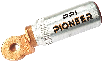
Reverse Bimetallic Lugs

Importance of Proper Crimping in Bimetallic Lugs


Even the best-designed lug can fail if installed incorrectly. Using a certified bimetallic lug crimping tool ensures uniform compression, proper bonding, and long-term safety.
Incorrect crimping can lead to loose connections, excessive heat buildup, and eventual system breakdown. Professional installation using the right tools is key to maximizing the lifespan of bimetallic lugs.

Where Reverse Bimetallic Lugs Are Commonly Used

Thanks to their durability and reliability, reverse bimetallic lugs are widely adopted in:

  • Power distribution networks

  • Renewable energy projects, including solar plants

  • Industrial control panels

  • Electrical substations and switchgear

  • Infrastructure and utility projects

Their ability to withstand thermal stress and electrical load variations makes them suitable for both indoor and outdoor applications.

Choosing the Right Bimetallic Lugs Manufacturer


The performance of reverse bimetallic lugs heavily depends on manufacturing quality. Trusted Bimetallic Lugs manufacturers follow strict quality controls, use premium-grade metals, and conduct rigorous testing.
Among the top bimetallic lugs manufacturers, Pioneer Power International is known for delivering precision-engineered solutions that meet industry standards and real-world performance demands.

Pioneer Power International focuses on engineering excellence, offering a complete range of bimetallic terminal lugs, bimetallic transition lugs, and bimetallic cable connectors designed for long-term reliability.
Their products are developed to support modern electrical systems where safety, efficiency, and durability are critical. This commitment to quality places Pioneer Power International among the top bimetallic lugs manufacturers trusted by professionals across various industries.

Bimetallic Lugs: Small Component, Big Impact


While often overlooked, reverse bimetallic lugs play a vital role in ensuring safe and stable electrical connections. They protect systems from corrosion, improve power efficiency, and extend equipment life.
Choosing high-quality bi metallic cable lugs from a reliable manufacturer like Pioneer Power International ensures your electrical infrastructure is built to perform today and endure tomorrow.

Frequently Asked Questions:

How to stop bimetallic corrosion?

Prevention can be achieved by keeping water away from the bimetallic interface using paint, tape, or protective coatings, or by isolating the two materials with painted surfaces or insulation.

How do reverse bi metallic lugs prevent corrosion?

They use a bonded copper-aluminium design that stops galvanic action between dissimilar metals.

What is the difference between bi metallic lugs and reverse bi metallic lugs?

Bi metallic lugs connect aluminium cables to copper points, while reverse bi metallic lugs are designed for opposite or specific connection orientations.

Do reverse bi metallic lugs require special maintenance?

No, once installed correctly, they require minimal maintenance.