favicon

Why Do Power Engineers Choose Aluminium Lugs for Reliable Electrical Connections Today?

In modern electrical infrastructure, reliability and efficiency are critical. Power engineers constantly look for components that provide safe connectivity, long-term durability, and cost-effective performance. One such essential component used in electrical systems worldwide is Aluminium Lugs. These connectors play a vital role in ensuring secure cable termination and stable electrical flow in power distribution networks.

Today, industries, utilities, and electrical contractors increasingly rely on aluminium joint lugs and aluminium straight lugs to create strong, corrosion-resistant connections for cables. With advancements in manufacturing and material engineering, aluminium lugs have become a preferred solution for engineers working on power plants, substations, industrial electrical wiring, and infrastructure projects.


The Growing Importance of Aluminium Lugs in Electrical Systems

Electrical systems require dependable connectors that can handle high currents while maintaining safety and performance. Aluminium terminal lugs are designed to connect electrical conductors to equipment terminals, busbars, or grounding systems. Their lightweight nature, combined with excellent conductivity, makes them suitable for various applications.

Power engineers prefer aluminium lug connectors because they provide:

  • Strong and secure cable termination

  • High electrical conductivity

  • Resistance to corrosion and environmental damage

  • Long service life in demanding conditions

In large power distribution networks, connectors must maintain stable performance for years. This is where high-quality aluminium electrical connectors prove to be extremely valuable.

Why Aluminium Joint Lugs Are Widely Used

One of the primary reasons engineers select aluminium joint lugs is their ability to create reliable cable joints between electrical conductors. In many installations, cables need to be extended or joined to maintain continuous power flow. Aluminium joint lugs provide a safe and efficient solution for these connections.
These connectors are commonly used in:

  • Industrial power distribution systems

  • Electrical substations

  • Renewable energy installations

  • Manufacturing facilities

  • Infrastructure and utility projects

Their robust design ensures that electrical current flows smoothly without overheating or connection failure. This makes aluminium cable joint connectors an essential component in modern electrical networks.

The Role of Aluminium Straight Lugs in Cable Termination


While joint lugs are used for connecting cables together, aluminium straight lugs are mainly designed for terminating cables to electrical equipment. Proper cable termination is crucial because weak connections can lead to energy loss, overheating, or equipment damage.

High-quality aluminium lugs for electrical cable termination ensure that cables remain securely connected to switchgear, transformers, circuit breakers, and control panels. These connectors are engineered to handle heavy electrical loads while maintaining a stable mechanical grip on the conductor.
Power engineers value these connectors because they help maintain system safety and improve overall operational efficiency.

Advantages of Aluminium Lugs for Industrial Applications

Modern industries depend on reliable electrical infrastructure to operate machinery, automation systems, and production equipment. Aluminium lugs for industrial electrical wiring are widely used because they offer several important benefits.

  1. Lightweight yet Strong

    Aluminium is lighter than many other conductive metals, which makes installation easier without compromising strength.

  2. Excellent Conductivity

    Despite being lightweight, aluminium provides efficient electrical conductivity, ensuring minimal power loss.

  3. Corrosion Resistance

    High-quality aluminium connectors are designed to resist corrosion, even in harsh industrial environments.

  4. Cost-Effective Solution

    Compared to many alternatives, aluminium connectors provide reliable performance at a competitive cost.

Because of these advantages, many power engineers consider aluminium connectors an ideal solution for large electrical installations.

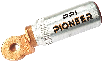
aluminium joint lugs

The Importance of Choosing a Trusted Aluminium Lugs Manufacturer


The performance of any electrical connector depends greatly on the quality of its manufacturing. Poorly designed lugs can lead to overheating, loose connections, and even electrical failures.
This is why engineers prefer working with experienced aluminium lugs manufacturers that follow strict quality standards and advanced production processes. A reliable manufacturer ensures that each connector meets precise engineering specifications and delivers consistent performance.

Among the trusted names in this field is Pioneer Power International, known for producing high-quality aluminium connectors for diverse electrical applications.

When it comes to dependable electrical components, Pioneer Power International has established itself as a reliable aluminium lugs supplier for industries and electrical contractors. The company focuses on precision engineering, strict quality control, and durable materials to deliver connectors that meet modern power system requirements.

Their range of aluminium terminal lugs, aluminium joint lugs, aluminium straight lugs, and aluminium cable joint connectors is designed to ensure secure electrical connections in demanding environments.
Engineers trust Pioneer Power International because the company prioritizes:

  • High-grade raw materials

  • Precision manufacturing processes

  • Compliance with industry standards

  • Durable and long-lasting electrical connectors

By delivering consistent quality and reliability, Pioneer Power International supports power engineers in building safe and efficient electrical systems.

The Role of Aluminium Connectors in Modern Power Infrastructure


As global power demand continues to grow, electrical infrastructure is becoming more complex and technologically advanced. From renewable energy plants to large industrial facilities, efficient connectivity remains a key requirement.
High-performance aluminium lug connectors are now widely used in:

  • Solar and wind power installations

  • High-voltage power distribution networks

  • Data centers and commercial buildings

  • Manufacturing plants and automation systems

These connectors ensure reliable cable termination and help maintain stable electrical performance across different applications.

Power engineers choose Aluminium Lugs because they offer the perfect combination of durability, efficiency, and cost-effectiveness. Components like aluminium joint lugs, aluminium straight lugs, and aluminium terminal lugs play a critical role in maintaining safe and stable electrical connections in modern power systems.

However, the quality of these connectors depends heavily on the manufacturer. Choosing a trusted supplier like Pioneer Power International ensures that engineers receive reliable, high-performance aluminium connectors designed for long-term use.
As electrical infrastructure continues to evolve, high-quality aluminium electrical connectors will remain an essential part of efficient power distribution systems worldwide.

Frequently Asked Questions:

How long do aluminium lugs last in electrical systems?

Aluminium Lugs usually last 20–30 years with proper installation and normal usage conditions.

Are aluminium lugs better for cost-effective wiring solutions?

Yes, Aluminium Lugs are a cost-effective wiring solution due to their lower material cost, good conductivity, and long service life.

How do aluminium lugs perform in harsh environments?

Aluminium Lugs perform well in harsh environments due to their corrosion resistance and durability, especially when properly coated and installed.

Where are aluminium straight lugs commonly used?

Aluminium Straight Lugs are commonly used for terminating cables in switchgear, control panels, transformers, and power distribution systems.