favicon

How Do You Correctly Crimp and Install Bi Metallic Cable Lugs?

Connecting aluminum cables to copper busbars is a very challenging task in the field of electrical engineering. If direct connections are made, they will result in galvanic corrosion, which will lead to resistance and, also, the possibility of potentially dangerous overheating. Fortunately, one of the ways to avoid this problem is to use Bi Metallic cable lugs.

However, simply having the right part isn't enough; the installation technique is equally important as the component itself. Wrong crimping is one of the most common reasons for power distribution electrical failure. This article delves into the proper installation of these essential components so that a safe and durable connection can be made.


What Are Bi Metal Cable Lugs?


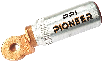
Bi-metal cable lugs, which are referred to as Bi-metallic terminals too, are engineered connectors designed to transition between dissimilar metals.The common structure of these connectors consists of a barrel made of aluminum (where the aluminum cable is inserted) and a palm made of copper (to bolt onto the copper busbar).

To connect the two metals, a specially designed method of welding known as friction welding is applied, and thus, a seamless molecular bond is created. This particular design allows the aluminum and copper to be isolated from each other and thus, the system's electrical integrity is guaranteed.


Step-by-Step Guide: Crimping Bi Metal Lugs Connectors


To achieve a perfect termination, follow this standardized procedure.


1. Selection and Sizing


As a first step, always check the Bi metal lugs sizes that are compatible with your cable before you cut any wire. The internal diameter of the aluminum barrel must be equal to the conductor's cross-sectional area. If you use a lug that is too large, the crimp will be weak, and if the lug is too small, the strands may get damaged.


2. Cable Preparation


Remove the insulation covering of the aluminum cable. The unsealed conductor length should be the same as the lug's barrel length plus 5 mm. Do take care not to nick the aluminum strands as these can become points of stress.

  • Tip: If the cable is oxidized, wire brush the conductor strands to expose bright metal before insertion.

Aluminium Lugs

3. Application of Joint Compound


In most cases, high-quality Bi metal terminal lugs are already filled with joint compound and subsequently capped. If this is not the case with yours, then contact grease should be applied to the conductor. This prevents immediate re-oxidation of the aluminum.


4. Insertion


The aluminum conductor should be completely pushed into the lug barrel. Check that the insulation is touching the end of the barrel, but don’t crimp the insulation itself.


5. The Crimping Process


Using a hydraulic crimping tool with the correct die size, begin the crimping process.

  • Sequence: Always start crimping from the palm end (the copper side) and work your way toward the cable entry.

  • Spacing: Ensure adequate spacing between bites if multiple crimps are required.

  • Orientation:Rotate the crimper slightly if necessary to prevent bending the lug (banana effect), though modern tools often mitigate this.

6. Inspection


After crimping, get rid of the excess compound that has been squeezed out. Check the Bi metallic lugs connectors visually to make sure there are no cracks and that the lug is securely attached.
Once this last check is done, the bi-metallic termination can be considered safe and ready for use.


Trust Pioneer Power International for Your Connections


Correctly installing Bi metal cable lugs is vital in the case of electrical infrastructure reliability. If you properly prepare and crimp, you will avoid not only expensive downtimes but also potentially dangerous situations.
The right installation of Bi metal cable lugs is very important for the durability of your electrical infrastructure. If you do the crimping and preparation steps, you prevent costly downtime and safety hazards.

When selecting terminals for your project, always ensure they meet the IEC 61238-1 standard for compression and mechanical connectors to guarantee safety and longevity.
At Pioneer Power International, we excel in producing high-precision electrical components. Our Bi metal cable lugs undergo friction welding, which results in the highest possible conductivity and mechanical strength for your critical connections. Whether you need standard sizes or custom solutions, our team is ready to support your power distribution needs.


Frequently Asked Questions:

Why is my bimetallic lug connection overheating even after proper crimping?

One of the causes of overheating is under-crimping (wrong die size) or not thoroughly cleaning the conductor before insertion. It can also happen if the nut on the busbar is not torqued according to the manufacturer's specification.

What is the correct crimping sequence for long-barrel bimetallic lugs?

In the case of long barrels, always begin the first crimp at the solid friction weld (palm side) and move towards the open end of the barrel. This will avoid the formation of air bubbles and will result in an even distribution of the compound.

Can bimetallic lugs be used for High Voltage (HV) applications?

Yes, high-quality Bi metallic cable lugs are designed for both MV and HV applications, provided they meet specific industry standards.

Can I verify the integrity of the friction weld between the copper and aluminum?

In the field, visual inspection is difficult. However, sourcing from reputable manufacturers who perform rigorous destructive testing ensures the weld is stronger than the parent metals.