favicon

How Does a Bimetallic Cable Connector Improve Conductivity in Electrical Systems?

Electrical systems demand reliable connections to ensure uninterrupted power flow, reduced energy loss, and long-term safety. One of the most effective solutions for connecting dissimilar conductors is a bimetallic cable connector. Whether used in industrial plants, renewable energy projects, electrical distribution networks, or commercial installations, this connector is designed to provide excellent electrical performance while protecting against corrosion. A high-quality bimetallic lug connector also helps maintain stable conductivity where copper and aluminium conductors meet, making it an essential component in modern electrical systems.


Why Is Conductivity Important in Electrical Systems?


Electrical conductivity determines how efficiently current flows through a conductor. Poor conductivity increases resistance, resulting in excessive heat generation, voltage drops, energy losses, and reduced equipment life.
Installing a premium-quality bi metal cable connector ensures that electrical current passes smoothly between conductors while minimizing resistance. Better conductivity contributes to:

  • Stable power transmission

  • Lower energy losses

  • Reduced maintenance requirements

  • Improved operational safety

  • Longer service life of electrical equipment

These advantages make power cable connector solutions an important part of modern electrical infrastructure.


Selecting the Right Bimetallic Cable Connector


Not all connectors deliver the same level of performance. Selecting the correct product requires more than simply matching cable size.
Before choosing a connector, consider:

  • Type of conductor (Copper or Aluminium).

  • Current carrying capacity.

  • Voltage requirements.

  • Installation environment.

  • Mechanical loading.

  • Corrosion exposure.

  • Compliance with applicable electrical standards

  • Compatibility with bimetallic terminal lugs and crimping tools.

A properly selected bi metal cable connector not only improves conductivity but also increases the overall reliability of the electrical network.


Prevents Corrosion Before It Begins


One of the biggest reasons electrical joints fail is corrosion. When aluminium and copper remain in direct contact under humid or polluted conditions, galvanic corrosion gradually damages the connection.
A bimetallic lug connector acts as a protective transition point by separating the two metals within the connector itself. This significantly reduces oxidation and preserves the electrical performance of the connection over many years.
For outdoor installations, coastal environments, and industrial facilities where moisture exposure is common, corrosion resistance becomes one of the connector's greatest advantages.


Where Are Bimetallic Cable Connectors Commonly Used?


The demand for power cable connector solutions continues to grow because modern electrical networks often combine copper and aluminium conductors.
Today, bimetallic cable connectors are widely used in:.

  • Industrial manufacturing plants
  • Electrical control panels
  • Solar photovoltaic systems
  • Wind power projects
  • Utility substations
  • Railway electrification
  • Data centres
  • Commercial buildings
  • Smart infrastructure
  • Heavy engineering projects
In each of these applications, a reliable cable joint connector contributes to safer installations, reduced maintenance, and better electrical efficiency.


Key Benefits of Using a Bimetallic Cable Connector


Selecting the right bimetallic cable connector offers far more than simply connecting two conductors. It contributes to the overall efficiency and reliability of the electrical system.

  1. Superior Electrical Conductivity
  2. A high-quality bimetallic cable connector minimizes contact resistance, allowing electrical current to flow with greater efficiency. Better conductivity means reduced energy loss, improved equipment performance, and enhanced system reliability.

  3. Excellent Corrosion Resistance
  4. One of the biggest advantages of bimetallic cable connectors is their ability to prevent galvanic corrosion between copper and aluminium. This protection significantly extends the lifespan of electrical installations, especially in humid, coastal, and industrial environments.

  5. Longer Service Life
  6. By maintaining both electrical and mechanical integrity, bi metal connectors continue to perform efficiently for many years. This reduces replacement frequency and lowers long-term operating costs.

  7. Enhanced Operational Safety
  8. Stable electrical connections reduce the possibility of loose joints, overheating, electrical arcing, and unexpected equipment failure. This makes bimetallic electrical connectors a trusted choice for critical power distribution systems.

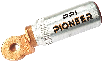
Copper cable lugs

Future of Bimetallic Cable Connectors in Modern Infrastructure?


The rapid growth of renewable energy, electric vehicle charging infrastructure, smart grids, and advanced manufacturing is increasing the demand for efficient electrical connections. As these industries continue to expand, the need for reliable power cable connector solutions will become even more important.
Modern bimetallic connectors are being developed with improved corrosion-resistant finishes, enhanced mechanical strength, and higher current-carrying capabilities to meet future electrical requirements. Their ability to improve conductivity while reducing maintenance makes them an essential component of next-generation electrical infrastructure.


Conductivity Myths Most Engineers and Buyers Ignore


When people talk about electrical conductivity, they usually compare copper with aluminium. However, one fact often goes unnoticed: the conductor is only as effective as the connection attached to it.
Think of a modern manufacturing plant where hundreds of motors, control panels, transformers, and switchgear operate simultaneously. Every piece of equipment depends on dozens of electrical joints. If even one joint develops excessive resistance, it begins generating heat. That heat slowly damages insulation, loosens mechanical pressure, and increases energy loss. Months later, the result may appear as an unexpected shutdown or equipment failure.
This is exactly why experienced electrical engineers focus on connection quality rather than conductor size alone. A bimetallic cable connector helps eliminate one of the most common weak points in an electrical system by maintaining a low-resistance transition between copper and aluminium conductors.

Why Pioneer Power International Is a Trusted Choice


The performance of any electrical connection depends not only on its design but also on the quality of its manufacturing. Pioneer Power International Pioneer Power International has built a strong reputation by delivering precision-engineered electrical connection solutions that meet the evolving needs of modern industries.
Its range of bimetallic cable connector products is manufactured using premium-grade copper and aluminium with advanced bonding technology to ensure excellent electrical conductivity, corrosion resistance, and mechanical strength. Every product undergoes stringent quality inspections to maintain consistent performance across demanding industrial and commercial applications.
Whether the requirement involves power transmission, electrical panels, renewable energy projects, substations, or industrial automation, Pioneer Power International offers dependable bimetallic lug connector solutions that support efficient current flow, secure cable joints, and long-lasting performance. By focusing on product quality, precision engineering, and customer satisfaction, the company continues to be a preferred partner for engineers, contractors, and electrical professionals.

Why Conductivity Matters More Than Most People Realize


Electrical conductivity refers to how easily electric current flows through a conductor. Every connection in a circuit creates some level of resistance, but excessive resistance reduces efficiency and generates unwanted heat. Over time, this can weaken insulation, increase maintenance costs, and even lead to equipment failure.
A premium-quality bimetallic cable connector is designed to reduce this resistance by creating a secure electrical path between dissimilar conductors. Instead of allowing energy to be lost as heat, the connector promotes smooth current flow, helping electrical equipment operate more efficiently.
Good conductivity offers several long-term advantages, including:

  • Reduced voltage drop

  • Lower energy consumption

  • Improved equipment reliability

  • Better thermal performance

  • Longer service life of electrical systems

  • Increased operational safety

These benefits make bimetallic connectors an important part of modern electrical infrastructure where performance and reliability cannot be compromised.

Frequently Asked Questions:

Why is a bimetallic cable connector important in electrical installations?

A bimetallic cable connector is important because it creates a safe and efficient connection between copper and aluminium conductors. It helps improve electrical conductivity, reduces power loss, and protects connections from corrosion, ensuring reliable long-term performance.

Can a bimetallic cable connector prevent corrosion?

Yes. A bimetallic cable connector is specifically designed to reduce galvanic corrosion that occurs when copper and aluminium are connected directly. This helps extend the life of electrical connections and minimizes maintenance requirements.

How do I know if I need a bimetallic cable connector?

If your electrical system requires connecting copper conductors to aluminium conductors, using a bimetallic cable connector is recommended. It ensures better conductivity, stronger mechanical performance, and improved electrical safety.

What is the difference between a bimetallic cable connector and a bimetallic lug connector?

A bimetallic cable connector is generally used to join two conductors, while a bimetallic lug connector is designed to terminate a conductor securely to electrical equipment, switchgear, busbars, or terminals. Both improve conductivity and reduce corrosion.

Image linkโ€”-- Pioneer Power International Copper cable lugs