favicon

How Can Aluminium Electrical Cable Lugs Control Strain and Improve Connection Stability?

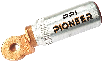
Electrical cable terminations must handle more than electrical current. During installation and operation, cables can experience pulling, bending, vibration and movement. If these forces reach the termination directly, they can affect connection stability. This is why Aluminium Electrical Cable Lugs are important. They create a defined transition between an aluminium conductor and electrical equipment while helping keep the conductor securely positioned.
Aluminium Electrical Cable Lugs do not manage strain on their own. Their performance depends on correct sizing, conductor preparation, suitable compression and adequate cable support. When these factors work together, unnecessary conductor movement can be reduced and the connection can remain stable under normal operating conditions.


What Causes Strain at an Aluminium Cable Termination?


Cable strain can develop when pulling, bending, vibration or cable weight is transferred toward the termination. During installation, a cable may be routed around panels or switchgear, creating tension near the connection. Temperature changes can also cause expansion and contraction, producing repeated movement. Aluminium Cable Lugs provide a defined termination point that secures the conductor before it connects to the equipment.
The way Aluminium Electrical Cable Lugs manage these forces depends on correct installation and cable support. The lug barrel holds the conductor while its terminal section connects to the equipment. With correct sizing, proper compression and suitable cable support, mechanical forces can be better controlled instead of being concentrated at the electrical contact point. This helps limit conductor movement and supports a more stable termination.


How Do Aluminium Electrical Cable Lugs Control Cable Movement?

A cable lug creates a transition between a flexible conductor and a fixed equipment terminal. Once the conductor is correctly inserted and secured inside the barrel, the termination helps keep it in position. The cable should also be supported before reaching the lug so that its weight and movement do not place unnecessary force on the connection.
Three factors are particularly important:

  • Correct lug size for the conductor

  • Proper crimping with the recommended tool and die

  • Adequate cable support near the termination

Why Is Proper Lug Sizing Important?


An electrical lug should match the conductor size, construction and application. An unsuitable barrel can affect conductor positioning and the intended compression of the connection. For Aluminium Electrical Terminals, selection should therefore consider conductor cross-section, terminal dimensions, connection method and operating conditions.
Aluminium Compression Lugs should be installed according to the manufacturer's specifications. Correct tooling creates controlled compression, while excessive force does not automatically produce a better connection

How Do Aluminium Compression Cable Lugs Handle Stress?


Aluminium Compression Cable Lugs secure a conductor inside the barrel through controlled compression, providing mechanical retention as well as an electrical contact path. An Aluminium Crimp Lug should be matched with the correct conductor and installed using the specified crimping sequence.
The final performance depends on the complete installation. Incorrect tooling, insufficient compression or poor conductor preparation can affect the intended mechanical and electrical characteristics of the termination.

Copper cable lugs

Can Cable Support Reduce Strain?


Yes. Cable support reduces the amount of cable weight and movement transferred to the termination. This is particularly useful for larger cables, long runs and installations exposed to vibration. Supporting the cable before it reaches the connection can reduce bending and pulling forces at the lug.
Therefore, Aluminium Cable Termination should be considered as part of the overall installation rather than as an isolated component


How Do Temperature Changes Affect Cable Strain?


Electrical conductors and connection materials expand and contract as temperatures change. Repeated heating and cooling can therefore introduce movement within a termination. Aluminium Electrical Terminals should be selected according to the conductor, equipment and application requirements.
Where aluminium connects with another metal, material compatibility is especially important. The selected component should be suitable for the conductor and terminal combination..


Where Are Aluminium Cable Connectors Used?


Aluminium Cable Connectors are used where aluminium conductors need to be joined or connected within an electrical system. Depending on their design, they can serve as inline connectors or other conductor-joining components.
Aluminium Conductor Lugs are similarly selected according to conductor size, connection arrangement and application requirements. Related terms such as Aluminium Cable Lugs, Aluminium Terminal Lugs, Aluminium Cable Terminals, Aluminium Electrical Lugs and ALUMINIUM LUGS describe different components or aspects of aluminium cable termination.


Why Choose Pioneer Power International?


Pioneer Power International offers a range of cable lugs, terminals and connectors for electrical applications, including aluminium tubular terminal ends, aluminium inline connectors and reducer-type terminals. Its range provides different termination configurations for varying cable sizes and connection requirements.
The company also highlights manufacturing, testing and quality-management capabilities. This product-focused approach makes Pioneer Power International a suitable choice for businesses looking for Aluminium Electrical Cable Lugs and related aluminium termination components.
Cable strain can result from installation forces, cable weight, vibration and temperature-related movement. Managing it requires more than simply selecting a lug.
Correct sizing, controlled compression, proper conductor preparation and cable support all contribute to termination stability.
Aluminium Electrical Cable Lugs provide a structured connection between an aluminium conductor and electrical equipment. When correctly selected and installed, they can help control conductor movement and support reliable connections. For aluminium termination requirements, Pioneer Power International offers a broad range of lugs, terminals and connectors for different electrical applications.
This version is intentionally kept well below 1,000 words while retaining your important SEO terms naturally..


Frequently Asked Questions:

How do Aluminium Electrical Cable Lugs help manage cable strain?

Aluminium Electrical Cable Lugs help manage cable strain by providing a secure transition between the conductor and electrical equipment. When correctly sized, crimped and supported, they can help limit conductor movement caused by pulling, bending, vibration and cable weight.

What factors should be considered when selecting Aluminium Cable Lugs?

Conductor size, conductor construction, cable material, lug dimensions, connection type, operating conditions and recommended crimping tools should be considered. Choosing the correct lug helps create a mechanically stable and electrically suitable termination.

How do Aluminium Compression Cable Lugs improve termination reliability?

Aluminium Compression Cable Lugs secure the conductor inside the lug barrel through controlled compression. Using the correct lug, crimping die and installation procedure helps establish consistent mechanical retention and electrical contact.

What is the role of Aluminium Electrical Terminals in cable connections?

Aluminium Electrical Terminals provide an interface between aluminium conductors and electrical equipment. Their size, material and configuration should match the conductor and application to support a secure and stable cable termination.

Can proper cable support improve the performance of Aluminium Cable Terminals?

Yes. Proper cable support can reduce the pulling, bending and weight-related forces transferred to the termination. This helps Aluminium Cable Terminals maintain their intended position and reduces unnecessary mechanical stress on the connection.

Image linkโ€”--