favicon

Understanding How Copper Crimp Connectors Form Secure Joints

Electrical connections play an important role in the safety and reliability of any wiring system. A cable must not only carry electrical current but also remain firmly connected to its terminal or connection point. This is where Copper Crimp Connectors are useful. They create secure joints by applying controlled mechanical pressure around the conductor, helping establish both a strong physical grip and reliable electrical contact.
The process behind a secure crimp joint is more than simply pressing a connector onto a cable. The connector must match the conductor size, the cable must be prepared correctly, and suitable crimping tools must be used. When these elements work together, Copper Crimp Connectors can form stable joints that support reliable electrical performance.


How Do Copper Crimp Connectors Create Secure Joints?


The process begins by carefully stripping the cable insulation to expose the required length of conductor. The conductor is then inserted into the barrel of the connector. A suitable crimping tool applies controlled force, causing the connector barrel to deform around the cable strands.
This compression is the key to creating a secure joint. The connector grips the conductor firmly, helping prevent the cable from slipping or becoming loose. At the same time, the close contact between the conductor and connector supports electrical continuity. This combination of mechanical strength and electrical contact explains how Copper Crimp Connectors create secure joints.
However, the amount of pressure is important. Insufficient compression may result in a loose connection, while incorrect or excessive crimping can damage the conductor or connector. This is why the correct tool, die, and connector size should always be selected.


Why Is Copper Used in Electrical Connections?


Copper is widely used because of its strong electrical conductivity. It is commonly used in copper crimp terminals, copper terminal connectors, and other electrical crimp connectors designed for cable termination and electrical connections.
Although copper offers good conductivity, the quality of the crimp remains equally important. A poorly installed connection may affect contact between the conductor and connector. Therefore, a reliable joint depends on both suitable materials and correct installation practices.

The Role of the Copper Cable Connector


A Copper Cable Connector acts as a connecting point between a conductor and another electrical component, cable, or terminal. Different types of electrical cable connectors are designed for specific connection requirements.
The size of the connector barrel must match the conductor. A connector that is too large may not grip the cable properly after crimping, while a smaller connector may not allow proper conductor insertion. Selecting the correct Copper Cable Connector is therefore one of the first steps towards forming a secure joint.
Proper crimping cable connectors also require the conductor to be inserted fully into the barrel. Correct insertion helps provide sufficient contact and allows the connector to grip the cable effectively.

How Different Copper Connectors Support Secure Joints


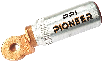
Different electrical applications require different connector designs. Copper cable lugs are commonly used to terminate cables at equipment, busbars, and other electrical connection points. The cable is crimped into the barrel, while the lug is secured to the terminal.
Similarly, copper ring terminals are designed to connect cables to screws or studs. Their ring-shaped design helps create a fixed connection when properly installed. Other copper terminal connectors may be used depending on the type of equipment and connection required.
When two conductors need to be connected, cable joint connectors can be used to create a secure joint between the cables. In each case, the principle remains the same: the conductor is correctly positioned and compressed to create mechanical retention and electrical contact

COPPER CABLE LUGS

Why Correct Component Selection Matters


A secure connection depends on more than choosing a good-quality connector. The conductor, connector, crimping tool, terminal design, and installation method must all be compatible.
Whether the application requires Copper Crimp Connectors, copper crimp terminals, copper lugs, electrical crimp connectors, or cable joint connectors, each component should be selected according to the technical requirements of the application.
Considering the complete connection system helps create better compatibility and supports long-term reliability.


Factors That Affect the Strength of a Crimped Joint?


The quality of a crimped joint can be affected by several factors. Damaging cable strands during stripping, using the wrong connector size, incomplete conductor insertion, or using an unsuitable crimping die can reduce connection reliability.
Environmental conditions may also influence the complete connection system. Temperature changes, vibration, moisture, and other operating conditions should be considered when selecting electrical cable connectors and related components.
A visual inspection after crimping can help identify issues such as incorrect cable positioning or an incomplete crimp. For critical applications, appropriate testing and quality procedures may also be necessary


How Pioneer Power International Supports Secure Electrical Connections

When selecting components for cable termination and electrical connections, access to suitable and application-focused products is important. Pioneer Power International offers electrical connection solutions that support requirements involving Copper Crimp Connectors, Copper Cable Connector options, copper cable lugs, and other related components.
The company can support businesses and professionals in identifying suitable connection solutions based on their cable termination and electrical application requirements. By focusing on correct component selection, users can choose products that are appropriate for conductor size, connection design, and intended usage.
A secure joint is ultimately created through the combination of a suitable product and correct installation. Pioneer Power International supports this requirement by offering relevant solutions for professionals looking for dependable cable connection and termination components.

Frequently Asked Questions:

Why is correct crimping important for Copper Crimp Connectors?

Correct crimping helps ensure that the connector provides sufficient mechanical grip and electrical contact. Using the right connector size, crimping tool, and die can help prevent loose connections, damaged conductor strands, or inconsistent compression.

What factors can affect the reliability of electrical crimp connectors?

The reliability of electrical crimp connectors can be affected by incorrect connector sizing, damaged cable strands, incomplete conductor insertion, unsuitable crimping tools, or improper compression. Environmental factors such as vibration, moisture, and temperature may also influence the overall connection system.

What are copper crimp terminals used for?

Copper crimp terminals are used to terminate electrical cables and connect them to equipment, terminals, panels, or other electrical components. They create a connection by mechanically compressing the terminal around the conductor.

How do I choose the right Copper Cable Connector?

A Copper Cable Connector should be selected according to the conductor size, cable type, terminal design, and application requirements. The connector barrel should properly accommodate the conductor to support effective crimping and a secure electrical joint.