favicon

Why Choose Bimetal Compression Lugs for Mixed-Metal Cables?

Modern electrical systems often use aluminium cables with copper connection points. Aluminium is widely used for power conductors because of its lightweight nature, while copper is common in busbars, terminals, and electrical equipment. This creates an important question: How Do Bimetal Compression Lugs Join Copper and Aluminium?
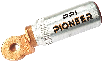
The answer lies in their two-metal construction. Bimetal Compression Lugs typically combine an aluminium barrel with a copper palm. The aluminium barrel is designed to accommodate an aluminium conductor, while the copper palm provides a suitable connection surface for copper equipment. The two sections are permanently joined during manufacturing, creating a purpose-built transition between dissimilar metals.


What Makes Bimetal Compression Lugs Different


A conventional cable lug is generally made from one primary metal. A copper lug is intended for copper conductors, while an aluminium lug is designed around aluminium conductors. A mixed-metal application needs a different approach.
Bimetal Compression Lugs are manufactured using two metal sections, typically an aluminium barrel and a copper palm. The aluminium portion receives the aluminium conductor, while the copper section provides the interface with a copper busbar, terminal, or electrical equipment.
The important point is that the two sections are engineered to work as one termination component. This makes a bimetal cable lug more suitable for aluminium-to-copper connections than simply attempting to combine conventional lugs or unsuitable joining methods.


How Do Bimetal Compression Lugs Join Copper and Aluminium?


A bimetal cable lug does not simply place copper and aluminium together. Instead, it creates a controlled connection between the two materials.
First, the aluminium conductor is inserted into the aluminium barrel of the lug. The barrel is then compressed using the appropriate crimping tool and die. This compression holds the conductor securely and establishes the required electrical contact.
The other end contains the copper palm, which can be connected to a copper busbar, terminal, transformer connection, or other compatible equipment. The aluminium barrel and copper palm are joined during the manufacturing process, commonly using an engineered metallurgical joining technique. This creates a continuous transition from the aluminium conductor to the copper connection point.
This is the key reason Bimetal Compression Cable Lugs are useful in mixed-metal electrical systems: the product is specifically designed to accommodate the different materials rather than treating them as identical.

Why Are Bimetal Lugs Needed?


Copper and aluminium have different physical and electrochemical characteristics. Their connection therefore needs careful consideration, particularly where electrical load, temperature changes, oxidation, and long-term reliability are important.
A conventional aluminium lug may not provide the appropriate interface for a copper busbar, while a standard copper lug is not necessarily designed for an aluminium conductor. bi metal lugs provide a practical alternative by giving each conductor material an appropriate termination section.
Properly selected Bimetal Cable Lugs can support:

  • Aluminium-to-copper cable connections

  • Secure mechanical termination

  • Consistent conductor compression

  • Appropriate equipment-to-cable interfaces

  • Applications involving different conductor materials

The actual performance depends on correct sizing, product quality, suitable tooling, conductor preparation, and installation according to manufacturer instructions.


Copper cable lugs

Where Are Bimetallic Cable Connectors Used?


Bimetallic Cable Connectors are useful wherever aluminium conductors need to connect with copper components. Typical applications include power distribution, transformers, switchgear, industrial installations, electrical panels, renewable-energy systems, and commercial infrastructure.
For example, an aluminium feeder cable may need to terminate onto a copper busbar. Rather than using an unsuitable single-metal component, a bimetallic termination provides an engineered transition between the two materials.
This makes bimetallic connectors, bi metal connectors, and related termination products relevant to many modern electrical installations.

What About Aluminium and Copper Cable Termination?


Aluminium Cable Termination requires appropriate conductor preparation and compression. Aluminium can develop an oxide layer on its surface, so installers should follow the manufacturer's recommended preparation and installation procedure.
Cable size is another important consideration. The lug barrel should match the conductor cross-section, while the copper palm should have the correct dimensions and mounting-hole configuration for the receiving equipment.
Similarly, Copper Cable Termination requires the correct connection hardware and installation method. With a bimetal lug, the copper palm provides the connection interface while the aluminium barrel accommodates the aluminium conductor..


How Should You Select a Bimetal Cable Lug?


Choosing a bimetal cable lug should involve more than checking its physical appearance. Consider these factors before installation:.
Cable size: Match the lug with the exact conductor cross-section.
Material compatibility: Confirm that the product is designed for the intended aluminium-to-copper application.
Palm dimensions:Check the mounting hole, palm size, and connection arrangement.
Crimping requirements: Use the recommended compression tool and die.
Technical specifications:Review dimensions, material construction, applicable standards, and manufacturer instructions.
These checks can help ensure that the selected Bimetallic Cable Connectors are appropriate for the intended electrical application.


Why Consider Pioneer Power International?


Pioneer Power International is a suitable option to consider when sourcing cable termination products for aluminium and copper connection requirements. Its product range includes solutions such as Bimetal Cable Lugs, bimetallic lugs, aluminium lugs, copper lugs, and related cable connectors.
For applications requiring a transition between aluminium conductors and copper equipment, Pioneer Power International provides products specifically intended for this type of connection. Its focus on cable lugs and electrical connection components can help customers evaluate products according to conductor size, connection requirements, and installation needs.
However, the right product should always be selected based on the actual cable specifications, equipment interface, applicable standards, and manufacturer's technical guidance.
So, how do Bimetal Compression Lugs join copper and aluminium? They do it through a specially manufactured two-metal construction: an aluminium barrel connects with the aluminium conductor through compression, while a copper palm provides the connection point for copper equipment. The engineered joint between these sections creates a practical transition between the two metals.
Whether the requirement involves Bimetal Compression Lugs, Bimetal Compression Cable Lugs, bi metallic lugs, or Bimetal Cable Lugs, correct sizing and installation are essential. For aluminium-to-copper termination requirements, Pioneer Power International can be considered as a supplier of purpose-designed cable connection solutions.


Frequently Asked Questions:

What are Bimetal Compression Lugs used for?

Bimetal Compression Lugs are used to terminate aluminium cables onto copper connection points such as busbars, terminals, transformers, and electrical equipment. Their two-metal construction provides a suitable transition between dissimilar conductor materials.

How do Bimetal Compression Lugs connect aluminium cables to copper?

A Bimetal Compression Lug generally has an aluminium barrel and copper palm. The aluminium conductor is inserted and compressed inside the barrel, while the copper palm connects to the copper terminal or busbar. The two sections are permanently joined during manufacturing.

What is the difference between a bimetal cable lug and a standard cable lug?

A bimetal cable lug is designed for connections involving different metals, typically aluminium conductors and copper equipment. Standard copper or aluminium lugs are generally intended for applications involving their corresponding conductor material.

How should Bimetal Compression Lugs be selected?

Select Bimetal Compression Lugs according to the conductor size, conductor material, palm dimensions, mounting-hole size, and required crimping method. Always check the manufacturer's technical specifications and recommended installation procedure before use.

Where are Bimetal Compression Lugs commonly used?

Bimetal Compression Lugs are commonly used in power distribution systems, transformers, switchgear, electrical panels, industrial installations, renewable-energy systems, and other applications requiring aluminium-to-copper cable termination.