favicon

How Copper Tube Lugs Support Secure Electrical Connections

A reliable electrical connection depends greatly on the quality of its termination. Copper tube lugs provide a purpose-designed connection between a copper conductor and electrical equipment, helping create both mechanical stability and dependable electrical contact. Their tubular barrel holds the conductor before controlled compression is applied with the correct Crimping tool. These lugs are commonly used with panels, switchgear, transformers, motors, busbars, and industrial electrical assemblies. Selecting the right Copper cable lugs requires attention to conductor dimensions, terminal design, installation conditions, and Cable size compatibility rather than simply choosing a product based on appearance.


What Makes Copper Tube Lugs Different?


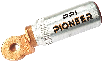
A tubular lug is designed specifically for cable termination. The conductor enters the barrel, while the palm provides the point for connection to a stud, bolt, busbar, or equipment terminal. Copper terminal lugs are available in different barrel lengths, internal diameters, palm configurations, fixing-hole sizes, and material thicknesses.
These variations matter because two lugs that appear similar may have different application requirements. Selecting a lug according to the actual cable and equipment specifications helps create a more appropriate and consistent termination.


How Can Copper Tube Lugs Improve Cable Connection Quality?


A good cable termination needs more than physical contact; it should also remain mechanically secure during normal operation. Copper tube lugsenclose the conductor inside a conductive barrel, which is then compressed using suitable tooling. When the correct lug, cable, and crimping method are used together, the resulting termination can provide a stable connection for electrical equipment.
However, the lug alone does not determine connection quality. Cable preparation, insertion depth, crimping technique, tooling, and final inspection are equally important. Correctly selected Copper compression lugs can therefore support a more consistent termination when installed according to the relevant product instructions.


Why Is Cable Size Compatibility Important?


Cable size compatibility is one of the most important factors when selecting a lug. The barrel needs to accommodate the conductor correctly. A barrel that is too large may not achieve the intended compression, while a barrel that is too small may prevent proper conductor insertion.
Before purchasing, users should check the conductor cross-sectional area, cable construction, barrel dimensions, terminal-hole size, and application requirements. This becomes particularly important for projects involving multiple cable sizes, where incorrect selection can lead to installation delays and material wastage.


Does Copper Material Matter in Cable Termination?


Copper is widely used for electrical terminals because of its conductivity and suitability for many power applications. Standard copper lugs are suitable for numerous installations, while tinned copper lugs may be considered where additional surface protection is desirable, particularly in certain environmental conditions.
The choice should take into account moisture, environmental exposure, conductor material, equipment specifications, and the intended application. The objective is to select a termination component that suits the complete electrical system rather than choosing solely on material appearance.


COPPER LUGS

Why Is Correct Crimping Important?


Even a properly selected lug can perform poorly if installation is incorrect. The cable insulation should be removed carefully without unnecessarily damaging conductor strands. The conductor should then be inserted fully into the barrel before compression.
The appropriate Crimping tool and matching die should be selected according to the lug and cable specifications. Crimping position and sequence may differ between products, so manufacturers' instructions should be followed. Proper crimping helps secure the conductor within the barrel and reduces unwanted movement at the termination.


Where Are Copper Cable Lugs Used?


Copper cable lugs are used across a wide range of electrical applications where copper conductors need to be connected to equipment. These include distribution boards, switchgear, control panels, transformers, motors, generators, busbars, industrial machinery, and power distribution systems.
Different installations may require different lug configurations. For example, a compact control panel may have different terminal dimensions from a high-current industrial assembly. The cable, equipment terminal, environmental conditions, and electrical requirements should therefore guide product selection.


What Should You Check Before Purchasing?


Before ordering copper tube lugs, consider the following factors:

  • Conductor cross-sectional size

  • Cable size compatibility

  • Barrel internal diameter and length

  • Copper tube thickness

  • Stud or fixing-hole dimensions

  • Copper material and surface finish

  • Required Crimping tool

  • Installation environment

  • Electrical and mechanical requirements

  • Relevant product specifications or standards

Checking these details beforehand can help prevent the selection of a lug that appears suitable but does not properly match the cable or equipment.

Why Choose Pioneer Power International?


For contractors, electrical manufacturers, distributors, and industrial buyers,Pioneer Power International can be considered for copper-based cable termination requirements. The company focuses on electrical connection products, including Copper cable lugs, Copper terminal lugs, and Copper compression lugs, supporting applications where dependable cable termination is required.

For larger projects, product consistency across different cable sizes is also important. Having access to suitable lug configurations can simplify procurement, installation, and maintenance. Pioneer Power International can therefore be a practical choice for customers looking for copper termination solutions while evaluating factors such as dimensions, material, cable compatibility, and application requirements.

Choosing copper tube lugs involves more than selecting a copper component. Cable size, barrel dimensions, copper tube thickness, surface finish, crimping method, environmental conditions, and equipment requirements all influence the suitability of a termination. When these factors are considered together and installation is carried out correctly, copper lugs can provide a practical and dependable connection solution. With its focus on electrical connection products, Pioneer Power International can be considered by businesses seeking suitable copper cable termination options for commercial, industrial, and power-related applications.


Frequently Asked Questions:

1.How Do Copper Tube Lugs Provide a Secure Cable Termination?

Copper tube lugs hold the conductor inside a tubular barrel and are compressed using an appropriate crimping method. Correct sizing and crimping help create a stable mechanical and electrical connection.

Can copper tube lugs be used with every copper cable?

No. The lug must correspond to the conductor size, construction, and terminal requirements. Always verify Cable size compatibility before installation.

Are Tinned copper lugs always better?

Not necessarily. Tinned copper lugs may be useful in particular environmental conditions, but the appropriate choice depends on the application, conductor, equipment, and specifications.

Why is the right crimping tool necessary?

A suitable Crimping tool applies controlled compression to the lug. Incorrect tooling or technique can affect the mechanical and electrical quality of the completed termination.